2908 Hwy 7 Vaughan, ON L4K 0K5, Canada

Mortgage Glossary
At Loans4Homes.ca, we understand that navigating the world of mortgages can be overwhelming, especially with all the technical terms and jargon involved. That's why we've created this Mortgage Glossary to help simplify the process and make it easier for you to understand the language of home loans. Whether you're a first-time homebuyer or looking to refinance, knowing the right terms can give you the confidence to make informed decisions about your mortgage.
Why You Need This Glossary
When you’re considering a mortgage, the last thing you want is to be confused by terms like “APR,” “loan-to-value ratio,” or “escrow.” These terms are crucial in understanding your loan and how much it will cost over time. Our glossary breaks down these complex terms into clear, easy-to-understand definitions, so you can better understand the various aspects of your mortgage.
How This Tool Can Help You
The Mortgage Glossary is not just a list of definitions — it’s a resource designed to give you a clear understanding of the terminology that will shape your mortgage journey. By becoming familiar with key mortgage terms, you’ll feel more confident when discussing options with lenders, understanding loan offers, and making decisions that are best for your financial future.
Here’s how our glossary can benefit you:
- Clear Definitions: Get straightforward explanations of common and complex mortgage terms that you’ll encounter when applying for a loan.
- Informed Decision-Making: Empower yourself to make better, more informed decisions about your mortgage options.
- Improved Communication: Be able to ask the right questions and better communicate with lenders, brokers, and other professionals during the mortgage process.
- Save Time: Instead of spending time researching terms and definitions, access them all in one convenient location.
Whether you’re exploring your first home purchase or preparing to refinance, this glossary will ensure that you fully understand the terms used by lenders and mortgage professionals. We’re here to help you make the right choices for your homeownership journey.
Start Exploring
Browse through our glossary, familiarize yourself with the terms, and use this knowledge to navigate your mortgage process with confidence. The more you know, the better equipped you’ll be to secure the best possible mortgage for your needs.
Mortgage Glossary
Term
Defintion
Short Sale
A sale of property in which the proceeds are less than the balance of the loan, with the lender agreeing to accept the lower amount.
Prepayment Penalty
A fee charged to the borrower if they pay off their mortgage early, usually within the first few years of the loan term.
Loan Modification
A permanent change to the terms of an existing mortgage, typically to make the loan more affordable for the borrower.
Judgment Lien
A legal claim on a property as a result of a court judgment against the property owner, often impacting the ability to sell or refinance.
Interest-Only Loan
A loan where the borrower pays only the interest for a certain period, with no principal payments due until later.
Housing Ratio
The ratio of the borrower’s monthly housing expenses to their monthly gross income.
Hard Money Loan
A short-term loan secured by real estate, typically provided by private lenders rather than traditional financial institutions.
Government Loans
Loans backed by government agencies, including FHA, VA, and USDA loans, typically for borrowers who might not qualify for conventional loans.
Grants for First-Time Homebuyers
Financial assistance programs designed to help first-time homebuyers with down payments or closing costs.
Foreclosure Prevention
Strategies and programs designed to help homeowners avoid foreclosure, such as loan modifications or repayment plans.
Escrow Waiver
An agreement that allows the borrower to pay taxes and insurance directly instead of through an escrow account.
Escrow Account
An account held by a third party where funds for taxes and insurance are deposited and disbursed.
Equity Loan
A loan secured by the borrower’s equity in their home, usually taken out for a specific purpose like home improvements.
Deed of Trust
A legal document that secures a loan on a property, allowing the lender to foreclose if the borrower defaults.
Default
Failure to meet the terms of the loan agreement, often leading to foreclosure.
Defeasance Clause
A provision in a loan agreement that allows a borrower to release the lender’s security interest in the property by fulfilling certain conditions.
Debt Service Coverage Ratio (DSCR)
A ratio used to evaluate a borrower’s ability to repay a loan, calculated by dividing the net operating income by the total debt obligations.
Covenant
A condition or restriction placed on a property by the seller, lender, or governing authority, typically relating to its use.
Counteroffer
A response by the seller to a buyer’s offer, usually involving a change in terms such as the price or closing date.
Conventional Loan Limits
The maximum loan amount that can be issued under standard loan guidelines, which vary by location and are determined by Fannie Mae and Freddie Mac.
Compensating Factors
Positive factors such as a high credit score or large savings that help offset negative factors in a borrower’s financial situation.
Comparative Market Analysis (CMA)
An estimate of a property’s market value based on the sale prices of similar properties in the area.
Closing
The final step in the mortgage process where the borrower signs the loan documents, and the property ownership is transferred.
Clarity of Title
The assurance that the title of a property is free of legal issues or claims that could impact the buyer’s ownership.
Chattel Mortgage
A mortgage on movable personal property (e.g., cars, equipment) instead of real property.
Bridge Loan
A short-term loan used to bridge the gap between the purchase of a new property and the sale of the borrower’s existing property.
Balloon Loan
A loan with a large payment due at the end of the term, which is significantly higher than the monthly payments leading up to it.
Assumption of Mortgage
The process of transferring the responsibility of a mortgage from the original borrower to a new one.
Affordability
The ability of a borrower to meet their monthly mortgage payments based on their income, expenses, and the cost of the loan.
Walk-Through Inspection
A final inspection of the property before closing to ensure it is in the agreed-upon condition and any repairs have been completed.
Cap Rate
The rate of return on an investment property, calculated by dividing the net operating income by the property value.
Variable-Rate Mortgage
A type of mortgage where the interest rate can change periodically, based on market conditions, often after an initial fixed-rate period.
VA Loan (Veterans Affairs Loan)
A government-backed loan available to active-duty military members, veterans, and their families, often requiring no down payment.
Underwriting
The process where the lender evaluates the borrower’s creditworthiness and the risk involved in offering the loan.
Title Insurance
Insurance that protects the lender or buyer from any legal issues or claims on the title of the property.
Subprime Loan
A loan offered to borrowers with poor credit histories who may not qualify for conventional loans.
Self-Employed Borrower
A borrower who works for themselves and may have a more complex income verification process when applying for a mortgage.
Seller Financing
An arrangement where the seller of a property provides the financing to the buyer instead of using a traditional lender.
Second Mortgage
A loan taken out on a property that already has a primary mortgage, often used to access additional funds.
Reverse Mortgage
A loan available to homeowners age 62 or older that allows them to convert part of their home equity into loan proceeds without making monthly payments.
Refinancing
The process of replacing an existing mortgage with a new one, often to take advantage of better interest rates or to change the loan terms.
Private Mortgage Insurance (PMI)
Insurance required by lenders for borrowers with a down payment of less than 20%, protecting the lender in case of default.
Private Lender
An individual or institution that provides loans without being part of a traditional financial institution, often for non-conforming loans.
Points
Fees paid to the lender at closing, typically 1% of the loan amount, used to reduce the interest rate on the loan.
PITI (Principal, Interest, Taxes, and Insurance)
The four main components of a monthly mortgage payment: principal, interest, property taxes, and homeowner’s insurance.
Origination Fee
A fee charged by the lender to process the loan, usually expressed as a percentage of the loan amount.
Non-Conforming Loan
A loan that does not meet the standards set by government-sponsored enterprises like Fannie Mae or Freddie Mac.
Negative Amortization
A situation where the loan balance increases over time because the monthly payments do not cover the full interest charge.
Mortgage Pre-Qualification
A preliminary process where the borrower provides basic financial information to receive an estimate of the loan amount they may qualify for.
Mortgage Pre-Approval
A process where a lender evaluates the borrower’s financial situation and creditworthiness to determine the loan amount they qualify for.
Mortgage Payment
The regular payments made by the borrower to the lender, typically consisting of principal, interest, taxes, and insurance (PITI).
Mortgage Insurance (PMI, MIP)
Insurance that protects the lender in case the borrower defaults on the loan, often required for loans with a down payment of less than 20%.
Mortgage Broker
A person or company that helps borrowers find a lender and negotiate loan terms, without lending money directly.
Maturity Date
The date on which the remaining balance of the loan is due in full, or the end of the loan term.
Loan-to-Value Ratio (LTV)
The ratio of the loan amount to the appraised value or purchase price of the property, whichever is lower.
Loan Officer
A professional employed by a lender who assists borrowers with the application process and recommends loan options.
Loan Estimate
A document provided to the borrower that outlines the estimated costs of the loan, including the interest rate, monthly payments, and fees.
Lender
A financial institution or individual that provides funds to borrowers in exchange for repayment with interest.
Jumbo Loan
A mortgage that exceeds the limits set by the Federal Housing Finance Agency and cannot be purchased by Fannie Mae or Freddie Mac.
Interest Rate
The percentage charged by a lender for borrowing money, typically expressed as an annual percentage.
Housing Market
The supply and demand of homes for sale or rent, which impacts property prices and mortgage rates.
Homeowner’s Insurance
An insurance policy that protects a homeowner’s property against loss or damage from events like fire, theft, or natural disasters.
Home Inspection
A professional evaluation of a property’s condition, often conducted before purchase to identify any potential issues.
Home Equity Line of Credit (HELOC)
A revolving line of credit that allows homeowners to borrow against the equity in their home, typically at a variable interest rate.
Home Equity Loan
A loan where the borrower uses the equity in their home as collateral, often used for large expenses such as home improvements.
GSE (Government-Sponsored Enterprise)
A financial services corporation created by the government to help expand the secondary mortgage market, such as Fannie Mae or Freddie Mac.
Government-Backed Loan
A loan that is insured or guaranteed by a government agency, such as FHA, VA, or USDA loans.
Gift Letter
A letter from a donor stating that the funds provided for the borrower’s down payment are a gift and not a loan.
Foreclosure
The legal process through which a lender takes possession of a property due to the borrower’s failure to make mortgage payments.
Fixed-Rate Mortgage
A mortgage with an interest rate that remains the same for the entire term of the loan.
FHA Loan (Federal Housing Administration)
A government-backed mortgage designed to help low- to moderate-income borrowers with a lower down payment requirement.
Escrow
An account held by a third party where funds for property taxes, insurance, and other fees are deposited by the borrower.
Equity
The value of the homeowner’s interest in their property, calculated by subtracting the mortgage balance from the property’s market value.
Down Payment
The initial amount paid upfront by the borrower toward the purchase of a home, typically expressed as a percentage of the home’s price.
Debt-to-Income Ratio (DTI)
A financial ratio that compares a borrower’s total monthly debt payments to their gross monthly income.
Credit Score
A numerical representation of a borrower’s creditworthiness, based on credit history and other financial factors.
Convertible Mortgage
A mortgage that allows the borrower to convert from an adjustable-rate mortgage to a fixed-rate mortgage under specified conditions.
Conventional Loan
A type of mortgage that is not insured or guaranteed by the government and follows standard lending practices.
Co-signer
A person who signs a loan agreement alongside the borrower and agrees to be responsible for the loan if the borrower defaults.
Closing Disclosure
A document provided to the borrower three days before closing that outlines the final terms of the loan and all costs involved.
Closing Costs
The expenses associated with finalizing a mortgage transaction, including appraisal fees, title insurance, and attorney fees.
Buydown
A financing arrangement where the borrower or seller pays an upfront fee to reduce the interest rate for the initial years of the loan.
Broker
A person or firm that acts as an intermediary between borrowers and lenders to facilitate the loan process.
Breach of Contract
A violation of any terms or conditions of a legally binding agreement, such as a mortgage contract.
Biweekly Mortgage Payment
A mortgage payment plan in which payments are made every two weeks, resulting in 26 half-payments per year.
Balloon Payment
A large lump-sum payment due at the end of a loan term, typically after a period of smaller payments.
ARM (Adjustable Rate Mortgage)
A type of mortgage where the interest rate is subject to change over time, based on market conditions.
APR (Annual Percentage Rate)
The total cost of borrowing, expressed as a yearly interest rate that includes both the interest rate and any fees or additional costs.
Amortization
The process of gradually paying off a loan over time through regular payments, which typically cover both the principal and interest.
Sample Term
Sample term description here for you to read and test when you are building the site
Sample Term
Sample term description here for you to read and test when you are building the site
How-to guides
How-To Guides for Navigating Your Mortgage Journey
Buying a home or managing your mortgage can be overwhelming, but we’re here to make the process easier. Our comprehensive How-To Guides provide clear, step-by-step instructions to help you navigate everything from understanding mortgage options to refinancing and saving for your down payment. Whether you’re a first-time homebuyer or looking to improve your current mortgage situation, these guides are designed to give you the knowledge you need to make informed decisions and confidently move forward. Explore our guides to get started today!

How-To Guides
How to Improve Your Credit Score for Better Mortgage Rates
Your credit score is a major factor in determining the mortgage rate you’ll be offered.…Read moreHow-To Guides
How to Save for Your Down Payment
Saving for a down payment can seem like a daunting task, but with the right…Read moreHow-To Guides
How to Choose the Right Mortgage for You
Choosing the right mortgage is a crucial step in the home-buying process. This guide will…Read moreHow-To Guides
How to Get Pre-Approved for a Mortgage
Getting pre-approved for a mortgage is an essential first step in the home-buying process. This…Read moreHow-To Guides
How to Use a Home Equity Line of Credit (HELOC)
A HELOC lets you borrow against the equity in your home. This guide will explain…Read moreHow-To Guides
How to Refinance Your Mortgage
Refinancing your mortgage can help you save money, lower your monthly payments, or access your…Read moreHow-To Guides
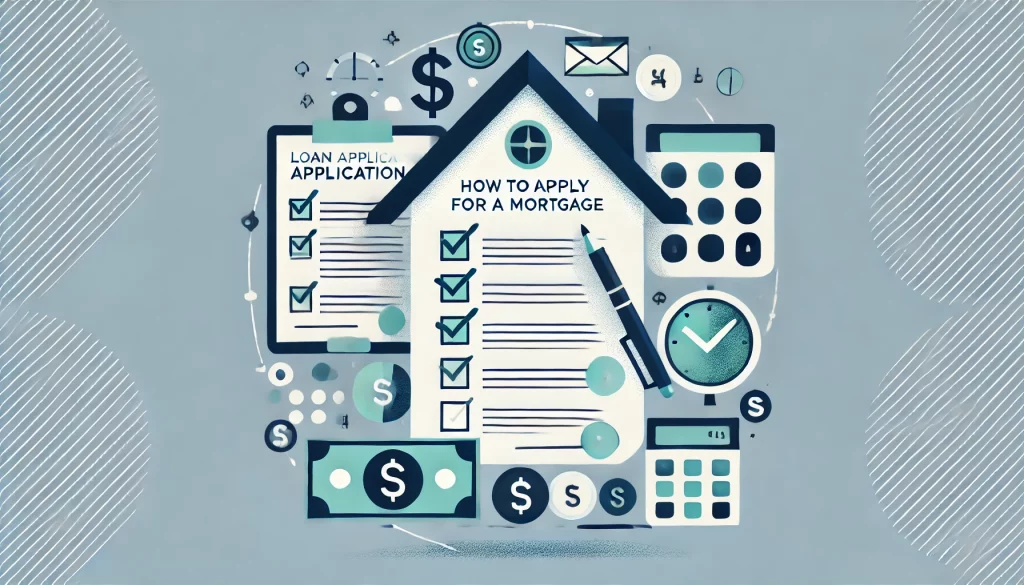
How to Apply for a Mortgage with Loans4Homes.ca
Applying for a mortgage through Loans4Homes.ca is straightforward. Here’s a detailed guide on how to…Read moreHow-To Guides
How to Use Our Mortgage Calculator
Using our Mortgage Calculator is a great way to get an idea of what your…Read more